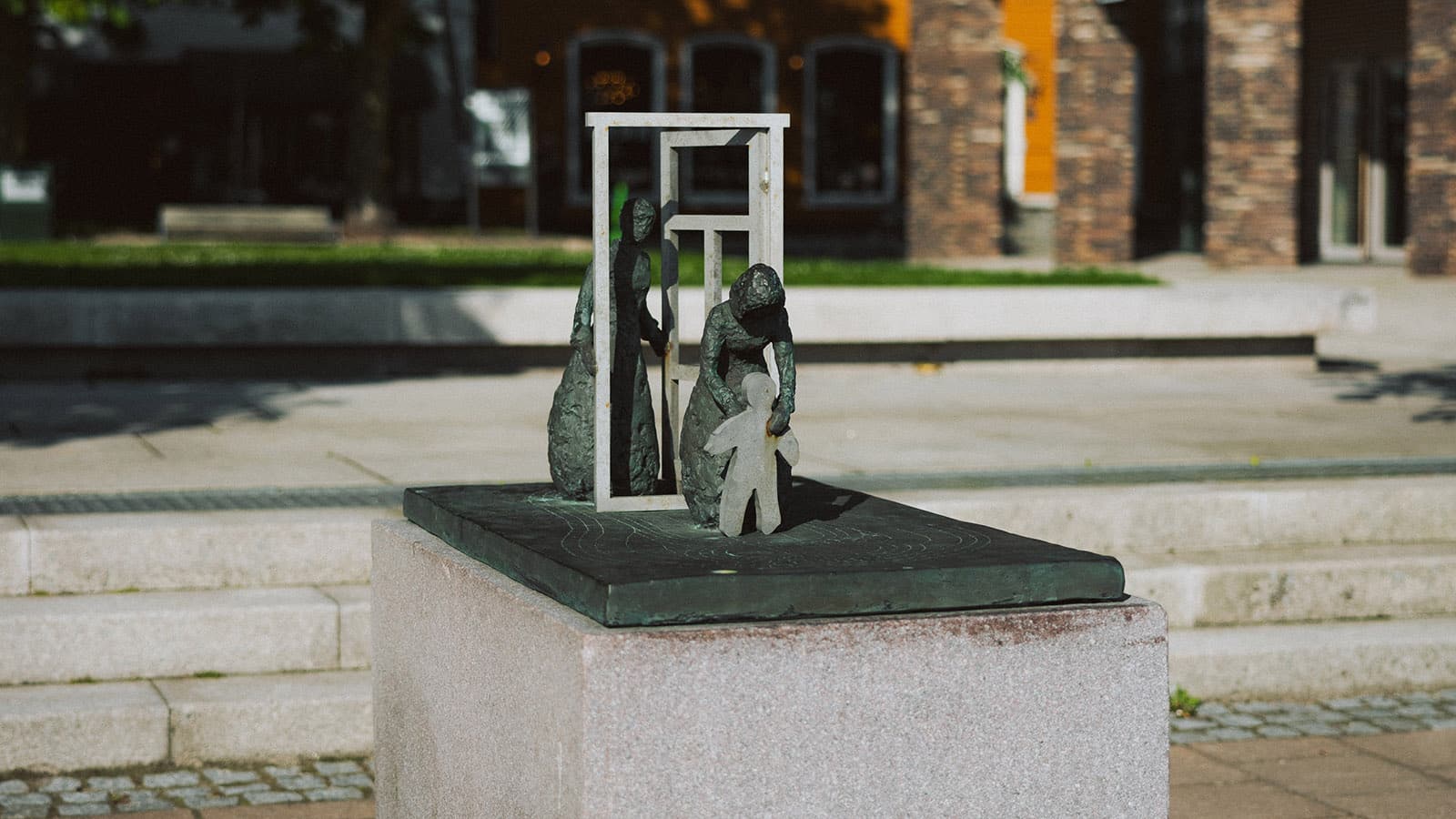
Traces of Edvard Munch’s story can be found in several places throughout Fredrikstad. In Storgata 26 – in what was once known as “Forstaden” – two women were born who would have a lasting influence on the artist’s life. These were his mother, Laura Cathrine Munch (née Bjølstad), and his beloved “Aunt Karen”, Karen Bjølstad.
Laura Cathrine was born on 10 May 1837 and died at only 31 years of age, leaving behind her husband and five children. Her sister Karen, born on 25 October 1839, stepped in to care for the children and became a lifelong source of support for Edvard Munch. He described her as a creative woman with a strong influence:
“She was probably the one who contributed most to me becoming a painter – at least at such an early stage.”
Munch’s parents, Laura Cathrine and Christian Munch, were married in Glemmen Church in Fredrikstad on 15 October 1861. As a child and later as an adult, Munch often visited his grandfather Andreas Larsen Bjølstad and step-grandmother Marie in Storgata. Letters also mention visits to an uncle who served as harbor master in Fredrikstad, living at Bjarne Aas gate 6.
Artistic connections to Fredrikstad
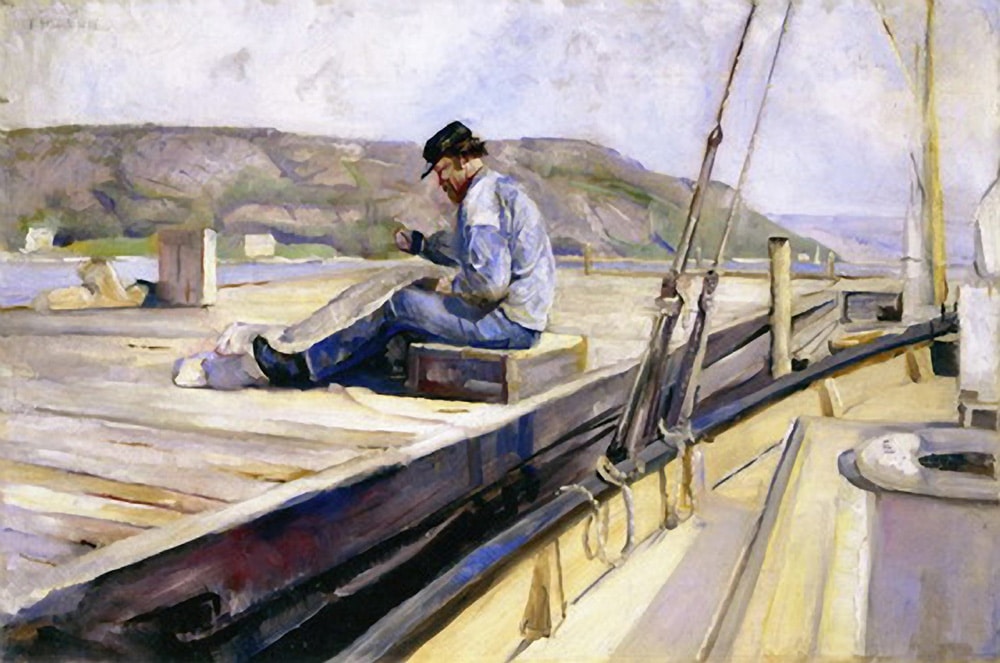
One of Munch’s most important artistic ties to the city is the painting The Net Binder, created on Hankø in the summer of 1888.
Other Munch works connected to Fredrikstad include:
“Grandfather Bjølstad on his deathbed” (1888), painted in Storgata 26
A drawing of grandfather Bjølstad (early and undated)
“World-famous” models
Munch used his mother, Laura Cathrine, both as a living model and as posthumous inspiration in many of his works. Karen Bjølstad was also a model for several well-known paintings, such as The Sick Child and Spring – both created at Schous Plass in Kristiania (Oslo) – along with numerous other portraits.
In a letter from Christmas 1900, Aunt Karen wrote to Edvard from Fredrikstad:
“In Fredrikstad, we read in the papers that your painting ‘Spring’ received such a favorable placement. Perhaps you saw it in Morgenbladet – in what they call the Hall of Honour for modern art, your monumental painting was given the place of honor. It is so deeply moving and beautiful.”
In Munch’s Footsteps – Walking Trail in Fredrikstad
Fredrikstad has created a historical walking route with six key locations connected to Edvard Munch’s life and family. Each stop features an information board detailing his family roots, childhood memories, and sources of artistic inspiration.
Selected locations on the trail:
Isegran: Munch’s paternal ancestor, Søren Rasmussen Munch, served here under Tordenskiold in the 1700s.
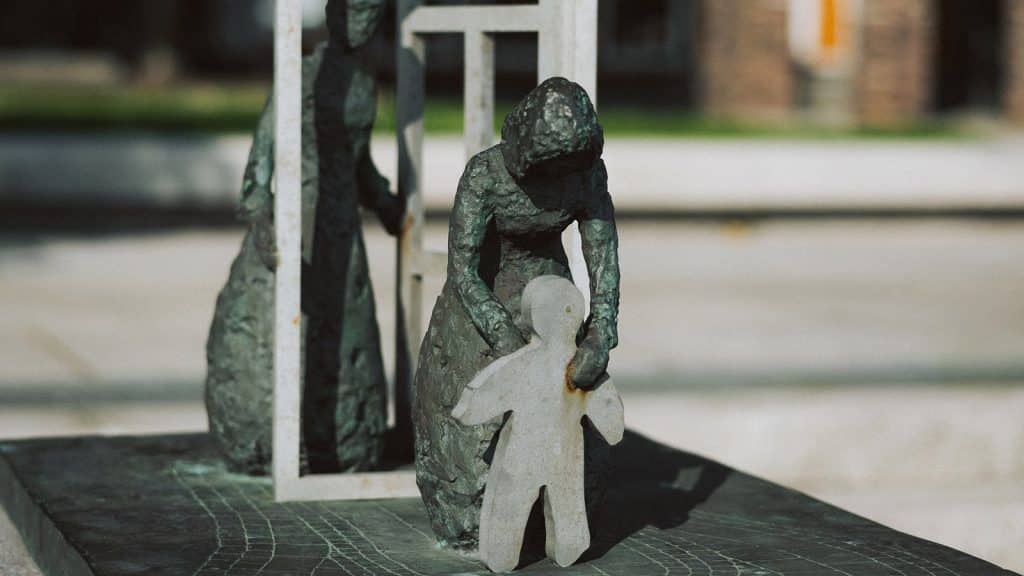
Storgata 26 / Blomstertorget: Birthplace of Munch’s mother and aunt. The sculpture Munchs Mødre (Munch’s Mothers) now stands on the square.
Glemmen Church: Site of Munch’s parents’ wedding.
Old Glemmen Church: Burial site of Munch’s maternal family.
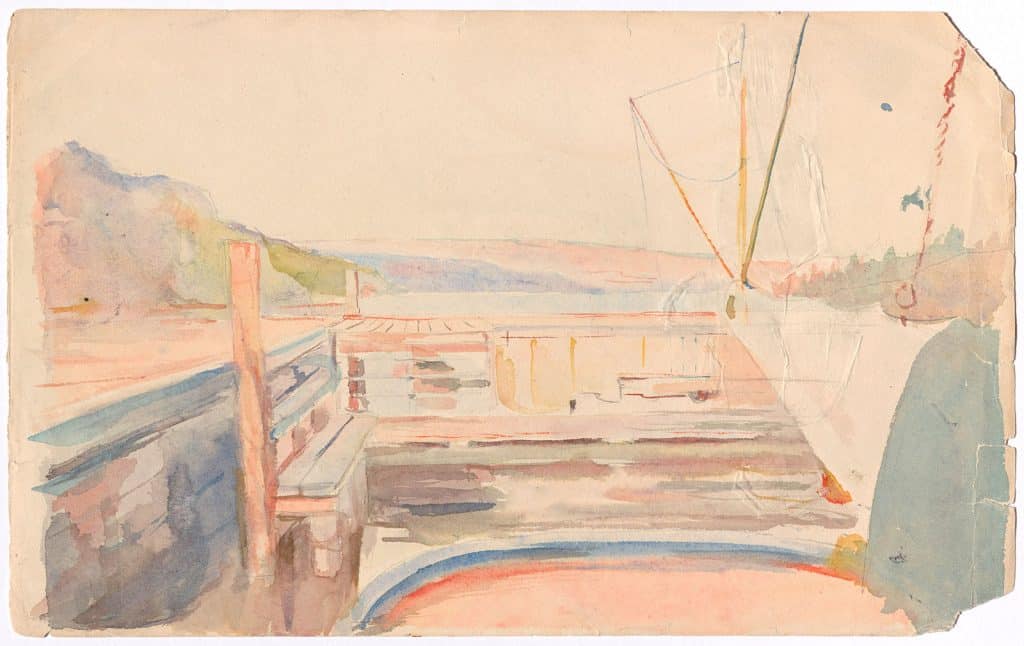
Hankø Island: Where Munch painted The Net Binder and On the Pier in 1888.
Edvard Munch was born on 12 December 1863 in Løten, Hedmark. He was the son of Christian Munch from Oslo and Laura Cathrine Bjølstad from Fredrikstad. The family moved to Oslo shortly after his birth. The early deaths of his mother and eldest sister, combined with his own poor health and his father’s intense religiosity, left a deep mark on Munch’s sensitive nature. These experiences gave his art its signature emotional depth and introspection.
Selected works:
The Scream (1893) Vampire (1892–94) Madonna (1894–95) The Dance of Life (1900) Girls on the Bridge (1902)